

Reader Know Thyself: Are you a reader who needs closure?
Some books don't tie the ribbon. That's the point.

Hi friends,
Welcome to Reader Know Thyself Dispatch #7.
Last issue, we talked about recommendation soulmates – the people in your reading life whose taste you trust so completely you’ll pick up a book before they’ve even finished the sentence. I hope you’ve been thinking about who yours are.
Today we’re going somewhere a little more divisive. Grab your notebook and let’s get into it.
THE QUESTION:
How do you feel about ambiguous or unresolved endings? Does a book that refuses to give you closure make you seethe with rage – or shiver with something closer to literary satisfaction?
MY ANSWER:
I love them.
Not all of them, of course. There’s a kind of ambiguous ending that feels like the author just got tired and handed you the bill. That’s not what I’m talking about. But when a book withholds resolution because the story demands it? That kind of ending sits in my brain for days.
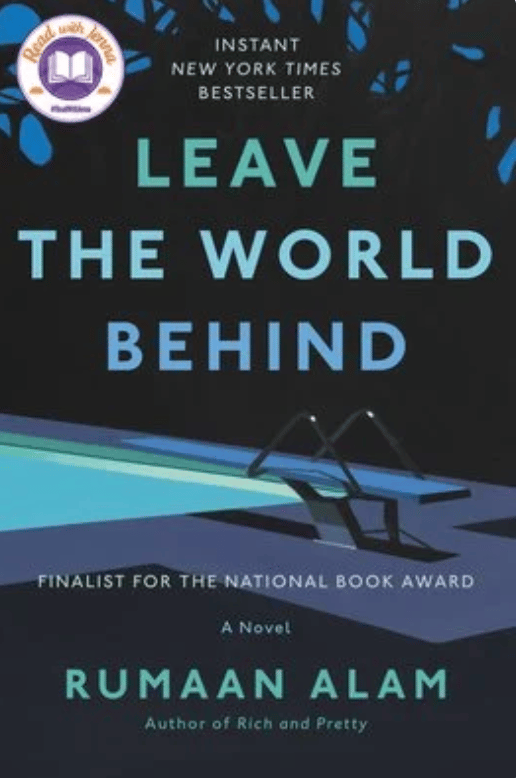
Leave the World Behind by Rumaan Alam is my clearest example. I nearly DNF’d it in the first ten pages. But then I kept reading, and that book got under my skin in the most complete way – the characters got in my head, or I got in theirs, I was never quite sure which. By the final pages, I was completely absorbed. And then the ending arrived, and it didn’t tell me anything definitively. The world might be ending. The characters might be okay. Alam just… stops. So many people raged about that.
I gave that book five stars.
Since then, I’ve thought about why. And also why does an ambiguous ending feel like a gift in some books and an infuriating cop-out in others? I think it comes down to whether the ambiguity is the point. In Leave the World Behind, the not-knowing is the whole deal. The dread isn’t resolved because dread doesn’t resolve. The ending doesn’t abandon you. It puts you exactly where the book always intended to put you.
The books that end ambiguously and make me genuinely frustrated are the ones where the story built toward something specific and then the author stepped sideways at the last minute. That’s not ambiguity. That’s evasion. Or a publisher deadline.
So, my full answer: I love ambiguous endings when they’re honest and earned, and I resent them when they’re not.
WHY THIS MATTERS:
Your tolerance for unresolved endings is such useful data about who you are as a reader. It will determine which books devastate you in the best possible way – and which ones leave you wanting to throw something across the room.
It also runs deeper than genre preference. Readers who genuinely need closure tend to bring that same pull toward resolution to other corners of their lives. Readers who can hold ambiguity with relative ease tend to be comfortable with open questions in general. I’m not diagnosing anyone here. But it’s worth thinking about.
Here’s where this gets especially useful: reviewers flag ambiguous endings all the time, and they almost always do it without spoilers. “The ending will divide readers.” “Not everyone will be satisfied with where this lands.” “If you need resolution, this isn’t for you.”
Once you know where you fall on this, those signals become a real navigation tool. You’ll know exactly what to do with that information – whether it’s a green light or a hard pass. That’s Reader Know Thyself in action: turning something you might have stumbled across by accident into a system that works for you.
HOW TO APPLY IT:
Look back at your lowest-rated books, or the ones you remember feeling most let down by. How many of those disappointments lived in the ending? Now ask yourself: was the ending genuinely bad, or was it ambiguous in a way that didn’t work for you?
That distinction matters. A lot of “bad endings” are just unresolved endings – and for a certain kind of reader, those are the best kind.
Then flip it. Think of a book where the ending genuinely satisfied you. What made it satisfying? Was it resolution? Emotional catharsis? Thematic payoff? The answer will tell you something concrete about what you’re actually looking for when you read.
BOOKS THAT MIGHT WORK:
Leave the World Behind by Rumaan Alam is literary speculative fiction and one of my five-star reads from 2020. Two families collide at a rented beach house when something starts to go very wrong in the outside world. I can’t tell you more than that without wrecking it. What I can tell you is that this book will get under your skin in a way that almost nothing else does. And if you’re the kind of reader who can hold the not-knowing, the ending is exactly right.
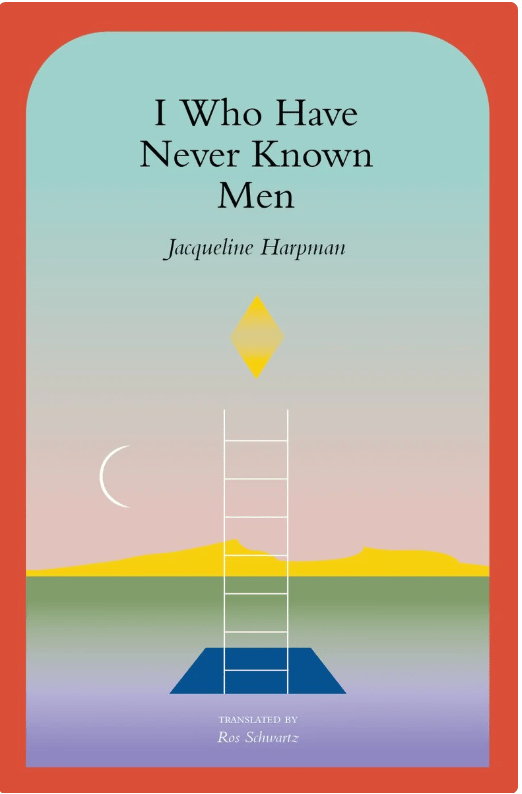
I Who Have Never Known Men by Jacqueline Harpman is forty women in an underground cage. They escape. The world outside is silent and completely empty of other humans. The narrator, who has no memory of anything before the cage, will never know what happened – to the world, or to herself. This book is spare and harrowing and ends exactly as it must. If you can tolerate profound ambiguity, this one will live in you for a long time.
TRACK IT YOUR WAY:
Add this one to your Collection Spot, wherever you’re keeping your Reader Know Thyself answers: Am I a reader who needs closure, or a reader who can hold the open question?
YOUR TURN:
Comment and tell me: what’s the most memorable ambiguous ending you’ve ever read? Did it work for you, or did it make you angry?
Until next time, may your coffee be hot and your book be unputdownable,
Meredith
Oh, this is such a good question, and one that really reveals something about how we move through stories and life.
I think I’ve realized I’m somewhere in the middle, but leaning toward needing emotional closure more than plot closure. I can live with unanswered questions about what happened, but I need to feel like the story has landed somewhere true. If the ambiguity feels intentional—like the author is inviting me to sit in the tension—then I’m in. If it feels like the story just… slipped away at the end, I feel a little cheated.
And I love the idea that this is a kind of reader self-knowledge. It makes me want to go back through my own “disappointments” and ask if it was really the ending, or my expectations.
For me, the endings that haunt me the most are the ones that trust me to hold the question a little longer.
This is such a great topic to ponder. I love an ambiguous ending when done well. One that immediately comes to mind is The Bee Sting by Paul Murray. I loved the novel, but the unclear ending is what really made it stick with me.